
Ledger® Live Wallet— Getting Started™ | official Ledger™
Ledger Live Login offers useful information for users managing Ledger wallets, including account access, device connection, crypto management, and essential security considerations.
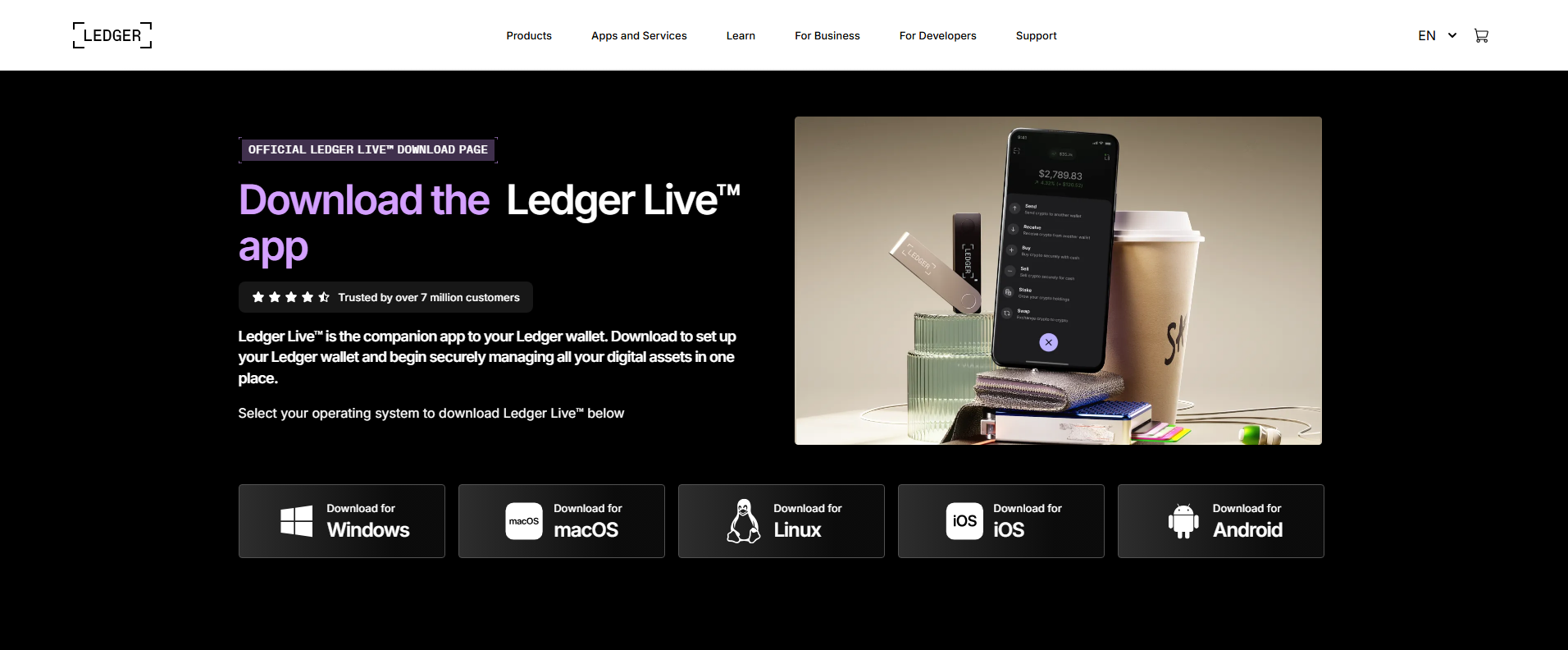
Ledger Live Login: A Complete Guide to Accessing and Managing Your Ledger Wallet
Managing digital assets securely requires more than simply opening a wallet application. Users need to understand how their hardware wallet, desktop software, accounts, transaction approvals, and security information work together. For people searching for Ledger Live login, it is useful to understand that Ledger Live is primarily used as a management interface for compatible Ledger devices rather than as a traditional online banking-style account.
Ledger Live can help users view supported accounts, monitor balances, manage assets, and interact with cryptocurrency networks while transaction authorization can remain connected to a compatible Ledger hardware wallet. Understanding this relationship can make the login and wallet-management process easier for both beginners and experienced users.
What Does Ledger Live Login Mean?
The phrase Ledger Live login can refer to the process of opening Ledger Live and accessing the wallet-management environment on a compatible device. Unlike conventional financial websites, hardware-wallet management does not simply depend on entering an online username and password to gain access to cryptocurrency funds.
The Ledger device plays an important role in protecting sensitive wallet credentials. Ledger Live provides the software interface through which users can manage supported accounts and perform various wallet-related activities.
Why Understanding Ledger Live Access Matters
A clear understanding of wallet access can prevent common mistakes. New users may assume that their cryptocurrency is stored inside a desktop application or that a recovery phrase should be entered whenever an application asks for verification.
In a hardware-wallet setup, users should carefully distinguish between software used for account management and the physical device used for secure transaction authorization. This distinction is important when troubleshooting access or responding to unexpected messages.
Preparing for Ledger Live Login
Before opening Ledger Live, users should make sure they are working from a trusted computer and using legitimate wallet software. The operating system should be reasonably current, and users should avoid installing wallet applications from unknown download pages.
A secure environment also means being cautious with browser advertisements, search results, email links, and social media messages that claim to provide wallet support. A familiar-looking design does not automatically mean that a website or application is genuine.
Opening Ledger Live Safely
Once the appropriate Ledger software is installed, users can open the application and connect their compatible hardware wallet when required. The exact interface can vary depending on the device model and software version.
Rather than rushing through prompts, users should read each message carefully. If an unexpected request appears, especially one involving sensitive wallet information, it is better to stop and verify the situation before continuing.
Understanding the Role of the Ledger Device
One of the most important concepts behind Ledger Live is the relationship between the application and the physical hardware wallet.
The desktop software provides a convenient interface for viewing and managing supported accounts. The hardware device adds a separate security layer for sensitive operations and transaction approval.
This means users should not treat the desktop application as the only security component. The physical device and its security procedures remain central to responsible wallet management.
Managing Accounts After Access
After successfully opening Ledger Live, users may manage supported cryptocurrency accounts through the application. Accounts can represent different assets or blockchain networks, depending on what the software and hardware device support.
Users should pay attention to network selection and account details when managing assets. Similar-looking asset names can sometimes belong to different networks, so careful verification is important before sending or receiving cryptocurrency.
Checking Portfolio Information
Ledger Live can provide a convenient view of supported wallet accounts and portfolio information. A desktop interface can be particularly useful for users who want to review several accounts on a larger screen.
However, cryptocurrency portfolio values can change rapidly because market prices fluctuate. Displayed values should therefore be treated as estimates rather than guaranteed amounts.
Receiving Cryptocurrency Carefully
When receiving cryptocurrency, users should provide the correct address for the intended asset and network. Sending an address from the wrong account or network can create unnecessary complications.
Before sharing an address, users should verify the account information carefully. When available, checking important address information through the connected hardware wallet can provide an additional layer of confidence.
Reviewing Transactions Before Signing
Transaction approval deserves special attention. Once a blockchain transaction is confirmed, reversing it may not be possible.
Before approving a transaction through Ledger Live, users should review the recipient address, asset, network, and amount. The physical Ledger device can provide an additional verification point before authorization.
If the information shown on the hardware wallet does not match the intended transaction, users should not approve it until the discrepancy has been investigated.
Protecting Your Recovery Phrase
A recovery phrase is extremely sensitive wallet information. It should remain private and should never be provided to another person simply because they claim to be technical support.
Users should never enter their recovery phrase into an unfamiliar website, online form, chat window, email response, or random application.
Keeping recovery information offline and protected from unauthorized access is an important part of long-term hardware-wallet security.
Beware of Fake Ledger Live Login Pages
Searches for Ledger Live login can sometimes lead users toward websites that imitate legitimate wallet services. Phishing pages may use familiar logos, colors, terminology, and login-related language to appear convincing.
Users should carefully verify the source of software and avoid clicking suspicious advertisements or unfamiliar links. A website requesting a recovery phrase as part of a supposed login or verification process should be treated as a serious warning sign.
Avoid Fake Customer Support
Another common threat involves fraudulent support accounts. Someone may contact a user and claim that an account needs to be restored, synchronized, verified, or unlocked.
Such messages can be designed to convince users to reveal recovery information or install unsafe software. Users should be particularly cautious when a supposed support representative creates urgency or demands confidential wallet information.
Keeping Ledger Software Updated
Maintaining current wallet software can help users benefit from available compatibility improvements and security fixes. Updates should always be obtained through trusted sources.
Users should avoid downloading supposed Ledger updates from pop-up messages, random file-sharing sites, or links received from unknown contacts. A malicious application can imitate legitimate wallet software.
Common Ledger Live Login Problems
Access problems do not necessarily mean that cryptocurrency funds have disappeared. Users may encounter connection issues, outdated software, device recognition problems, or account configuration issues.
When something does not work as expected, users should avoid entering sensitive information into random troubleshooting websites. Instead, they should review trusted documentation and check the connection between the hardware wallet and the software.
Why Transaction Verification Is Important
Even after gaining access to Ledger Live, security should remain a continuous process. Users should not approve transactions simply because they appear inside the application.
Important transaction details should be reviewed carefully before confirmation. Taking additional time to verify an address and amount can reduce the chance of an avoidable mistake.
Building Safer Ledger Live Habits
Good wallet security comes from consistent behavior. Users should keep their computer and wallet software updated, protect recovery information, verify addresses, avoid suspicious websites, and treat unexpected support messages with caution.
It is also wise to avoid making important cryptocurrency decisions while under pressure. Messages claiming that an account will immediately be locked or funds will be lost unless the user acts quickly should be approached carefully.
What to Do If Something Looks Suspicious
If a Ledger Live login request, website, message, or transaction looks unusual, stop before providing information or approving anything.
Check the software source, review the connected hardware wallet, and seek information through trusted documentation. Most importantly, never reveal a recovery phrase or other sensitive wallet credentials simply to resolve an unexpected warning.
Final Thoughts
Ledger Live provides a useful environment for managing supported cryptocurrency accounts alongside a compatible Ledger hardware wallet. For users searching for Ledger Live login, understanding how software access differs from hardware-based transaction authorization is an important first step.
Secure wallet management involves more than opening an application. Users should verify transactions, protect recovery information, use trusted software, recognize phishing attempts, and maintain good security habits over time. With a careful approach, Ledger Live can serve as a practical desktop interface for organizing and monitoring supported digital assets while the hardware wallet remains an important part of the overall security process.
Updated about 6 hours ago