
Getting™ Started | Ledger® Live: Desktop® — official
Ledger Live Desktop brings essential Ledger wallet management tools together, helping users organize accounts, track digital assets, connect compatible devices, and review supported transactions.
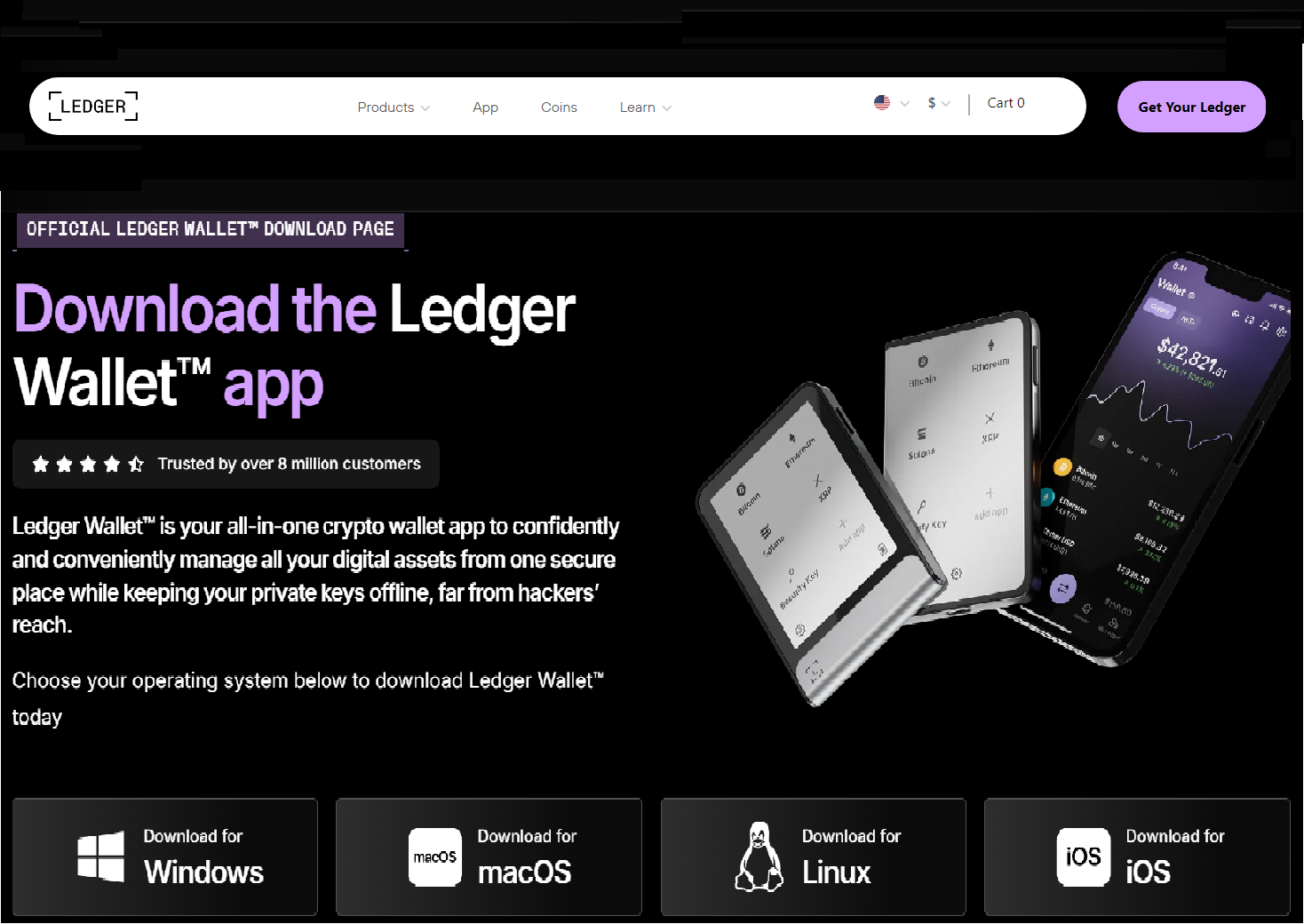
Ledger Live Desktop: A Complete Guide to Managing Crypto With Your Ledger Wallet
Managing cryptocurrency from a desktop computer can be easier when wallet software provides a clear interface for viewing accounts, installing supported blockchain applications, reviewing balances, and approving transactions. Ledger Live Desktop is designed to work alongside compatible Ledger hardware wallets, giving users a convenient environment for managing supported digital assets while keeping transaction authorization connected to the physical device.
For beginners, understanding how Ledger Live Desktop works is just as important as learning how to connect a hardware wallet. The software provides the management interface, while the hardware wallet is used to protect sensitive wallet credentials and confirm important actions. A secure setup therefore involves both the application and responsible security habits.
What Is Ledger Live Desktop?
Ledger Live Desktop is desktop wallet-management software intended for use with compatible Ledger hardware wallets. It provides an interface where users can view accounts, monitor portfolio information, manage supported assets, and interact with blockchain networks.
The application does not mean that private keys should be stored directly on a computer. The hardware wallet remains an important part of the security process because transaction approvals can require confirmation through the physical device.
Why Use Ledger Live Desktop?
A desktop environment can be useful for cryptocurrency users who prefer managing their accounts from a larger screen. Instead of relying entirely on a mobile interface, users can organize accounts, review balances, and perform supported wallet tasks from a computer.
Ledger Live Desktop can also make portfolio monitoring more convenient. Users may be able to view multiple accounts in one interface while keeping transaction authorization connected to their Ledger device.
Preparing Before Installing Ledger Live Desktop
Before beginning, users should prepare a trusted computer and make sure they understand the basic security requirements of hardware-wallet management. The computer should have current security updates and should not be used casually on suspicious websites while managing cryptocurrency.
It is also important to obtain wallet software from a trusted source. Searching for applications through advertisements, unknown download pages, or unofficial links can expose users to phishing and malicious software.
Connecting a Ledger Hardware Wallet
After the desktop application has been installed, the compatible Ledger hardware wallet can be connected according to the device instructions. Depending on the model and software version, the connection method and available features may vary.
Users should pay attention to messages shown on both the computer and the physical device. A computer screen alone should not automatically be treated as proof that a transaction or wallet request is legitimate.
Understanding the Role of the Hardware Device
Ledger Live Desktop provides the interface, but the hardware wallet adds an important security layer. Sensitive credentials associated with the wallet are designed to remain protected by the device rather than being exposed simply because the desktop application is running.
When a transaction requires approval, users should carefully review the information displayed by the hardware wallet. This creates an opportunity to verify important details before authorizing an action.
Setting Up Accounts in Ledger Live Desktop
Once the device and application are properly connected, users can organize supported cryptocurrency accounts. Different assets may require different blockchain applications or account configurations.
Account management should be approached carefully. Users should select the appropriate network and asset when adding or managing accounts and avoid assuming that similarly named networks or tokens are interchangeable.
Monitoring Your Crypto Portfolio
One useful function of desktop wallet software is portfolio visibility. A larger screen can make it easier to review balances, account activity, and supported assets.
However, portfolio values can change because cryptocurrency prices are volatile. A displayed balance or estimated value should therefore be treated as informational rather than as a guaranteed amount that can be withdrawn at a particular price.
Receiving Cryptocurrency Safely
Receiving crypto usually involves providing an appropriate wallet address to the sender. Before sharing an address, users should verify that it belongs to the correct account and blockchain network.
When practical, comparing the address displayed by the software with the information confirmed through the hardware wallet can provide an additional verification step. Users should never assume that an address copied from an unknown source is safe.
Reviewing Transactions Before Approval
Sending cryptocurrency requires particular attention because blockchain transactions can be difficult or impossible to reverse after confirmation.
Before approving a transaction, users should review the destination address, network, asset, and amount. The physical Ledger device can provide an additional place to verify transaction details before signing.
Taking a few extra moments to check the information can help prevent mistakes caused by incorrect addresses, unsupported networks, or misleading instructions.
Protecting the Recovery Phrase
The recovery phrase is one of the most important parts of a hardware-wallet setup. It should be kept private and protected from unauthorized access.
A legitimate support representative should not need a user's recovery phrase. It should never be entered into a random website, online form, email, chat message, or unfamiliar application.
Users should also avoid storing recovery information in easily accessible digital locations such as screenshots, cloud notes, ordinary text files, or messaging applications.
Recognizing Fake Ledger Websites
Cryptocurrency users are frequently targeted by websites designed to look legitimate. A fake site may copy branding, colors, layouts, or wording from a genuine wallet service.
Before downloading Ledger Live Desktop or entering any sensitive information, users should carefully verify the website they are visiting. Search advertisements and unfamiliar links should be approached cautiously.
The presence of familiar logos does not prove that a website is genuine.
Avoiding Fake Support Messages
Another common risk involves fraudulent support accounts. A message may claim that a wallet has a security problem and request sensitive information or ask the user to install unfamiliar software.
Users should treat unexpected support messages with suspicion. Recovery phrases, private credentials, and wallet authorization information should never be provided to someone simply because they claim to represent a wallet company.
Keeping Ledger Live Desktop Updated
Software updates can introduce security improvements, compatibility changes, and bug fixes. Keeping the wallet application and compatible device software current can therefore be an important part of responsible wallet management.
However, users should verify that an update is coming through a legitimate source before installing it. A fake update notification can be used as a phishing technique.
Common Ledger Live Desktop Mistakes
New users can make simple mistakes while learning how desktop wallet management works. Common examples include selecting the wrong blockchain network, sending funds to an incorrect address, ignoring warnings, approving transactions without reviewing them, or downloading software from an unofficial location.
Another serious mistake is revealing recovery information. Even if someone claims that the information is required for account verification or recovery, users should not disclose it.
Using the Physical Device for Verification
The computer display is useful, but the hardware wallet should remain an important part of transaction verification. When details appear on the physical device, users should review them carefully before approving a transaction.
If something shown on the hardware wallet does not match what the user expected, the transaction should not be approved until the difference has been understood.
Building Better Desktop Wallet Habits
Good security is based on consistent habits rather than a single setup step. Users should keep their operating system updated, use reputable security software, protect their recovery information, verify wallet addresses, and avoid suspicious links.
It is also helpful to slow down when a transaction involves a significant amount of cryptocurrency. Urgent messages and pressure to act immediately are common characteristics of scams.
What to Do When Something Looks Wrong
If Ledger Live Desktop displays an unexpected warning, unfamiliar account information, or a transaction that does not match the user's intention, stopping is usually better than trying to continue quickly.
Disconnecting from suspicious websites, avoiding unknown software, and checking information through trusted documentation can help users investigate the issue without exposing sensitive wallet information.
Final Thoughts
Ledger Live Desktop can provide a practical desktop environment for managing supported cryptocurrency accounts with a compatible Ledger hardware wallet. Its usefulness comes from combining convenient software-based account management with hardware-based transaction confirmation.
The most important part of using any hardware wallet is not simply installing an application. Users should understand how the desktop software, physical device, recovery information, account addresses, and transaction approvals work together. By verifying transactions, protecting recovery information, avoiding fake websites and support accounts, and maintaining updated software, users can build safer habits for long-term cryptocurrency management.
Updated about 6 hours ago